



An AI analyst needs agreed business definitions, suitable access controls and a way to verify its answers. Connecting a language model to more tables is not the same as teaching it what your organisation means by revenue, an active customer or an overdue balance.
A plausible answer can use the wrong definition
Imagine asking which region grew fastest. The result may depend on order date or invoice date, gross or net revenue, local or constant currency, and whether returned orders are included. Several answers can be mathematically valid while only one matches the question the business intended.
The risk is particularly awkward because the explanation can sound confident. A fluent paragraph is evidence of language generation. It is not evidence that the correct measure, period or population was used. The interface should make the supporting calculation easier to inspect, rather than asking the user to trust the tone.
What the gold layer contributes
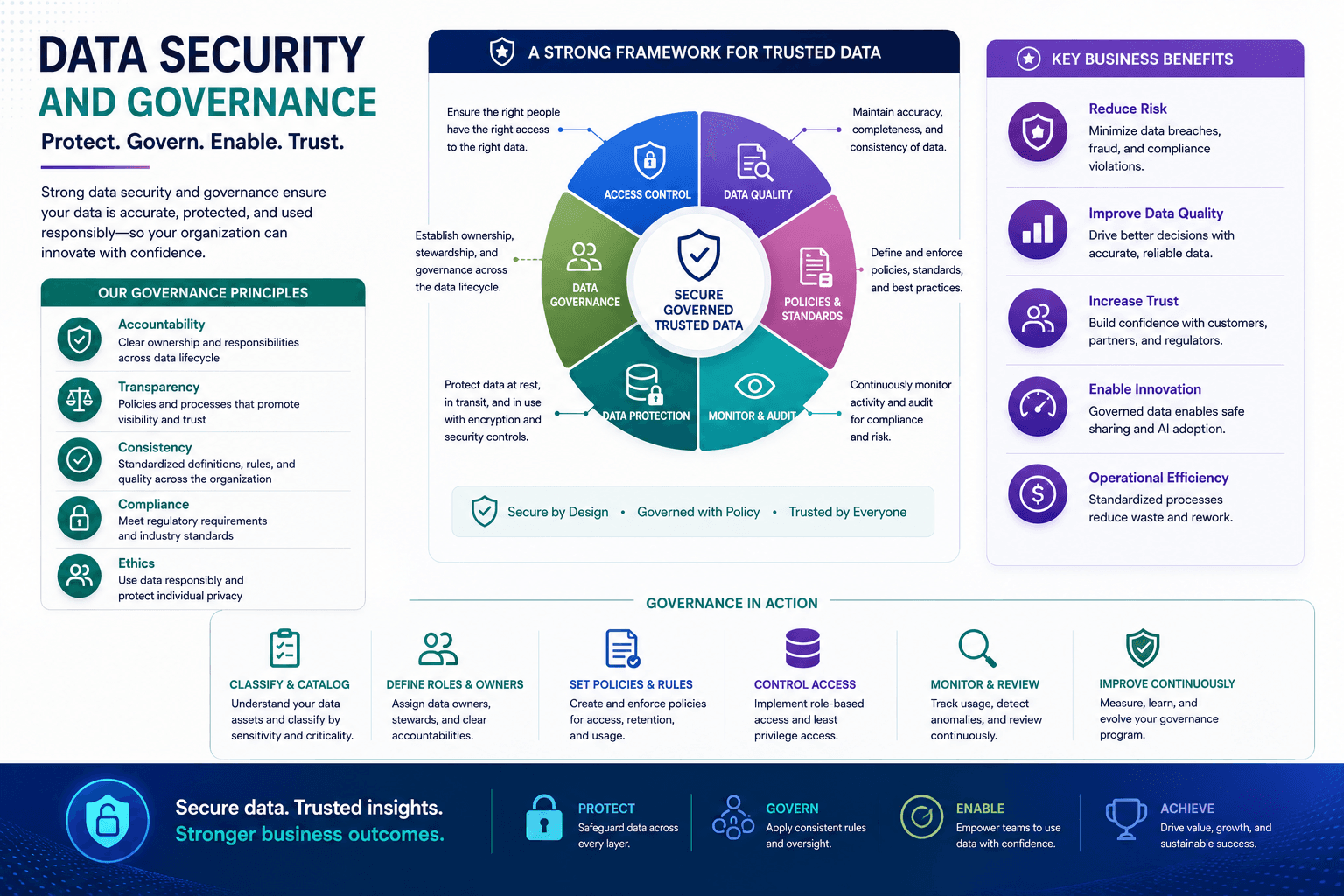
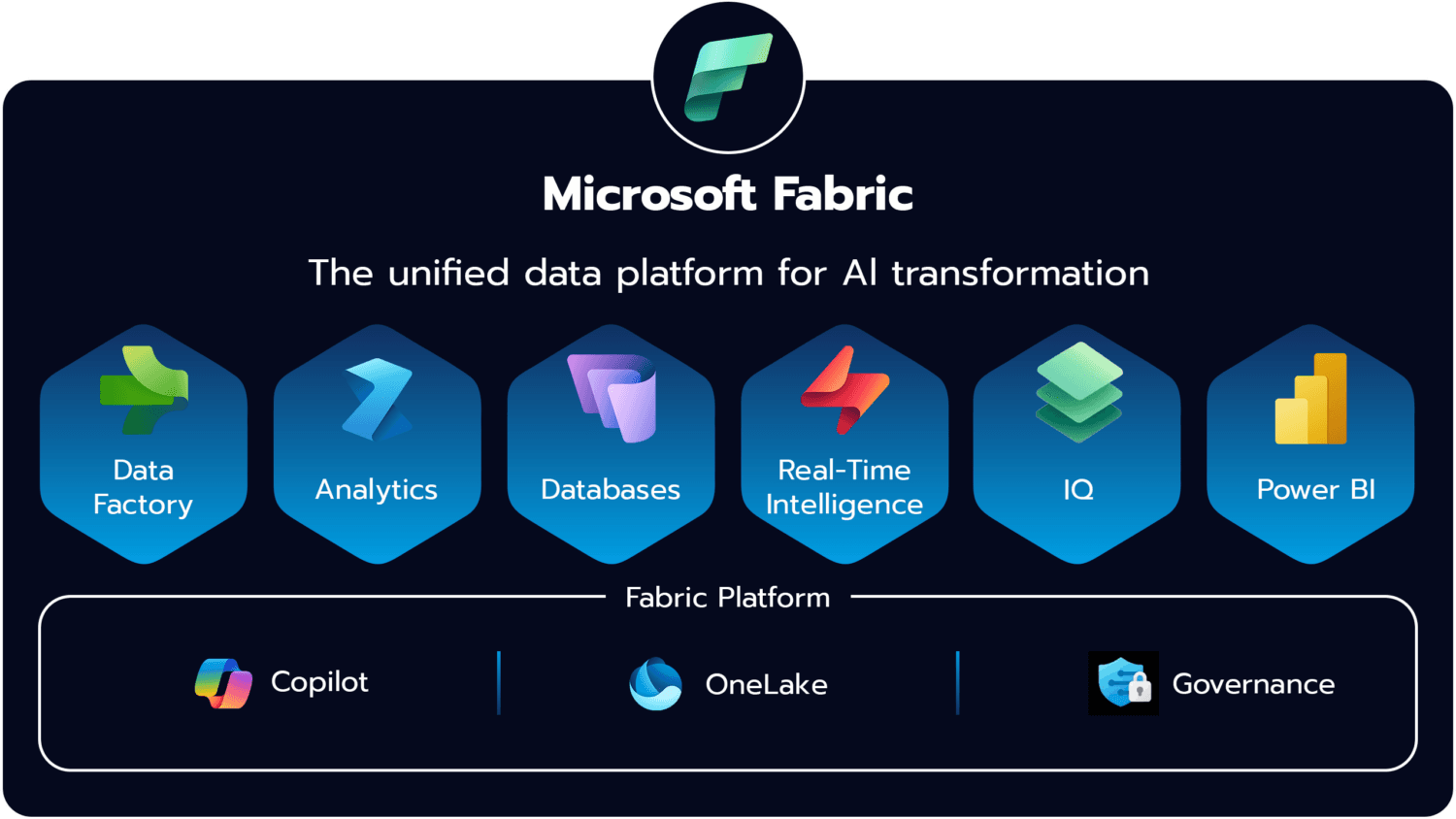
A curated data layer can make source reconciliation, standardisation and approved transformations reusable. In Microsoft's OneLake architecture patterns, the medallion approach separates raw inputs, prepared data and business-ready consumption. That creates a useful foundation for reporting and AI.
A gold label does not establish meaning on its own. Someone still needs to define the measures, relationships, fiscal calendar, exclusions and ownership. Nor does a curated table automatically give every AI tool access to those definitions. The question is what context the tool actually receives when it constructs a query.
Make the semantic model a business contract
Document the measures people use in meetings. Identify the relevant date field, the treatment of credits and cancellations, and any organisation-specific terms. Prefer explicit approved measures over asking an AI system to reconstruct important logic from ambiguous columns.
Microsoft's guidance on preparing data for AI explains how context, selected schemas and validated answers can help its Copilot experiences. Those are Microsoft features, not claims that DataNova implements every Copilot control. The broader design lesson is to curate the context and test the answers, rather than exposing an unstructured catalogue and hoping for the best.
Where MCP fits, and where it does not
DataNova uses MCP to connect Nova AI Analyst with governed semantic models. That connection can expose approved analytical tools and business context through a defined interface. It does not automatically certify the quality of the underlying model, make every permission correct or eliminate hallucinations.